
Late August is an awkward moment for a jewelry box. The shell earrings and thin anklets that carried you through July suddenly look a little underdressed next to a denim jacket, while the heavy autumn pieces feel premature in the heat. You don't need a whole new collection to fix that. You need five pieces that already agree with each other, and that read as light in the sun and warm under a sweater.
Quartz is unusually good at this. The family runs from icy clear to honeyed citrine to soft, dusty rose, so it shifts with the light and with your clothes instead of fighting them. Build the capsule once, keep it on a small tray by the door, and the transition from warm weather to cold mostly takes care of itself.
Start With a Stone Palette, Not a Shopping List
Before you buy anything, choose two or three quartz varieties that share an undertone. A palette that works hard: smoky quartz as the neutral, clear quartz as the bright note, and one warm accent — citrine, or rutilated quartz with its golden needles. Those three can be worn together in any combination without a single piece looking like an afterthought.
Then decide on one dominant metal. Sterling silver keeps the group cool and slightly architectural; 14k gold-fill or a thick gold vermeil warms it up and flatters citrine and rutilated quartz especially well. Whichever you pick, hold to it for all five pieces. A capsule with three metals in it is just a drawer of jewelry again.
A capsule isn't a smaller collection. It's a collection where everything already agrees.
The Five Pieces
1. Smoky quartz studs, 6–8mm
This is the piece you will reach for on the days you can't decide. Smoky quartz sits somewhere between taupe and iced tea, which means it looks deliberate against white linen and just as right against charcoal wool. Faceted stones throw a little light and feel dressier; a smooth cabochon is quieter and slightly more modern. Either way, keep them small enough that they don't compete with a necklace. In July they work with hair scraped up; in October they're the only thing visible above a turtleneck, which is exactly why the tone matters more than the size.
2. A rutilated quartz pendant on an adjustable chain
Rutilated quartz — clear stone threaded with fine golden needles — looks sunny in August and remarkably rich in November. Buy it on a chain of 45cm with a 5cm extender, so you can wear it high with a buttoned collar or a scoop neck, then drop it lower over a crew-neck knit. A bezel setting is worth seeking out: it protects the stone's edges, which is where quartz usually chips, and it keeps the piece from snagging on loose knits.
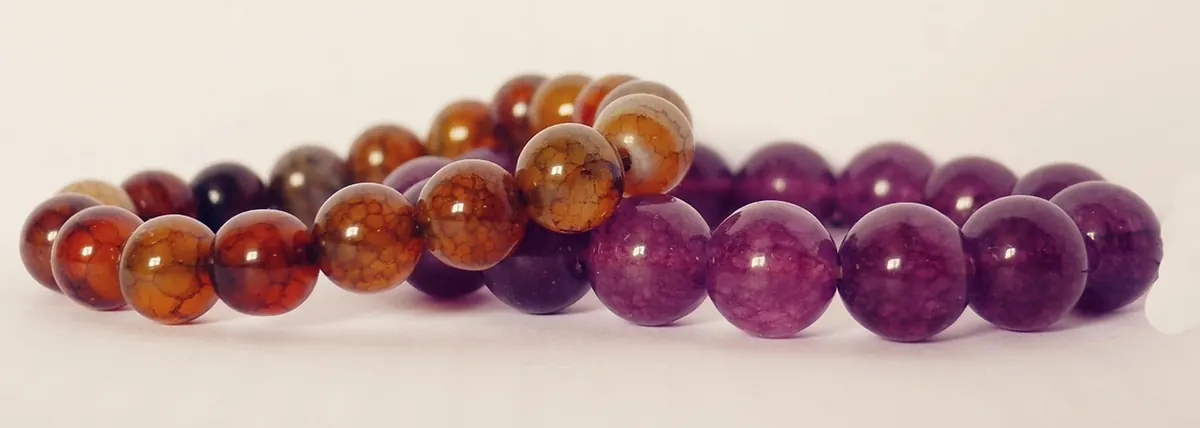
3. A rose quartz bead bracelet
Small beads, 4–6mm, on elastic or with a discreet clasp. Rose quartz at this size reads almost as a neutral — a soft blush rather than a statement — so it layers comfortably next to a watch in bare-armed weather and peeks out from a sleeve cuff once the sleeves come down. In autumn, stack it with a thin silver chain bracelet or a plain leather band. Two bracelets is the limit before a wrist starts to look cluttered.
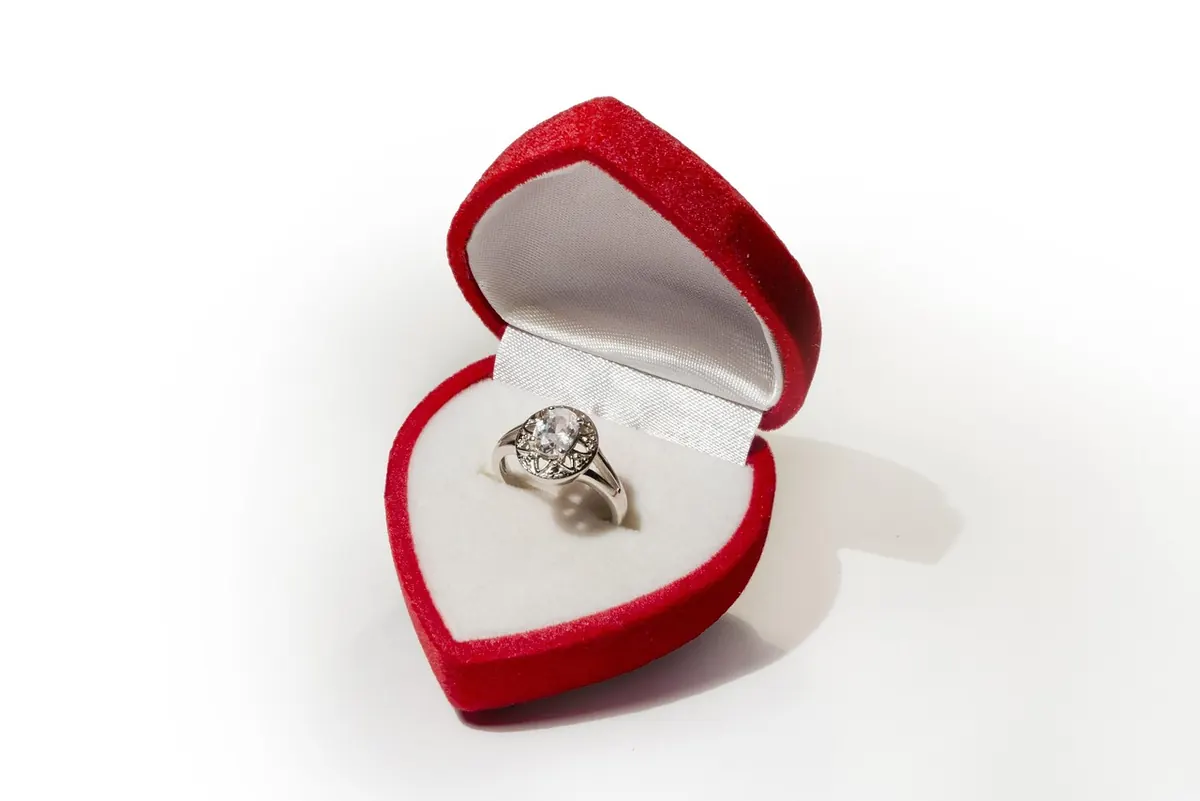
4. A citrine bezel ring
A warm stone on the hand is a small, constant dose of color, and citrine is the most forgiving warm quartz there is. Choose a low bezel setting over high prongs if you wear knitwear, since prongs catch on sleeves and scarves. Keep the band plain and slightly rounded — it will sit better beside a wedding band and won't fight the bracelet on the same wrist. An oval or a soft rectangle tends to look more current than a round stone in a heavy setting.
5. A long clear quartz chain, 60–70cm
Clear quartz takes on the color of whatever you're wearing, which makes a long pendant the most versatile piece in the group. Over a t-shirt in summer it's a single clean line; over a fine-gauge sweater in October, layer it with the rutilated pendant above it and the two lengths do the work of a whole outfit. Look for a small faceted drop or a rough chunk rather than a large polished disc — the smaller the stone, the more often you'll wear it.
How to Layer Them as the Season Turns
The pieces are only useful if you actually combine them. A few rules keep the necklines and wrists from getting busy:
- Keep a gap of 10–15cm between necklace lengths. Two chains at nearly the same length tangle and look accidental.
- Pair one plain chain with one stone. Two pendants with large stones compete; a bare chain gives the eye somewhere to rest.
- Cap it at two necklaces in hot weather. Bare skin shows every tangle, and a third layer starts to feel heavy.
- Add the third layer in autumn. Over a sweater or a fine turtleneck, three lengths finally read as intentional.
- Shift the earrings forward. Once collars and scarves come out, move the smoky studs to the front of the rotation and save the drops for evening.
One practical habit: lay the five pieces out together on a flat surface once a month and try three outfits against them. It sounds fussy and takes four minutes. It's also the fastest way to notice that a piece hasn't been worn since June, which tells you something the next time you're tempted by a sale.
Cords, Settings and Care
Details decide whether a capsule survives daily wear. On chains, look for soldered links and a proper clasp rather than a lobster claw that feels light in the hand. On stones, run a fingertip around the edge of the setting — any roughness or visible chip at the girdle will only get worse with wear.
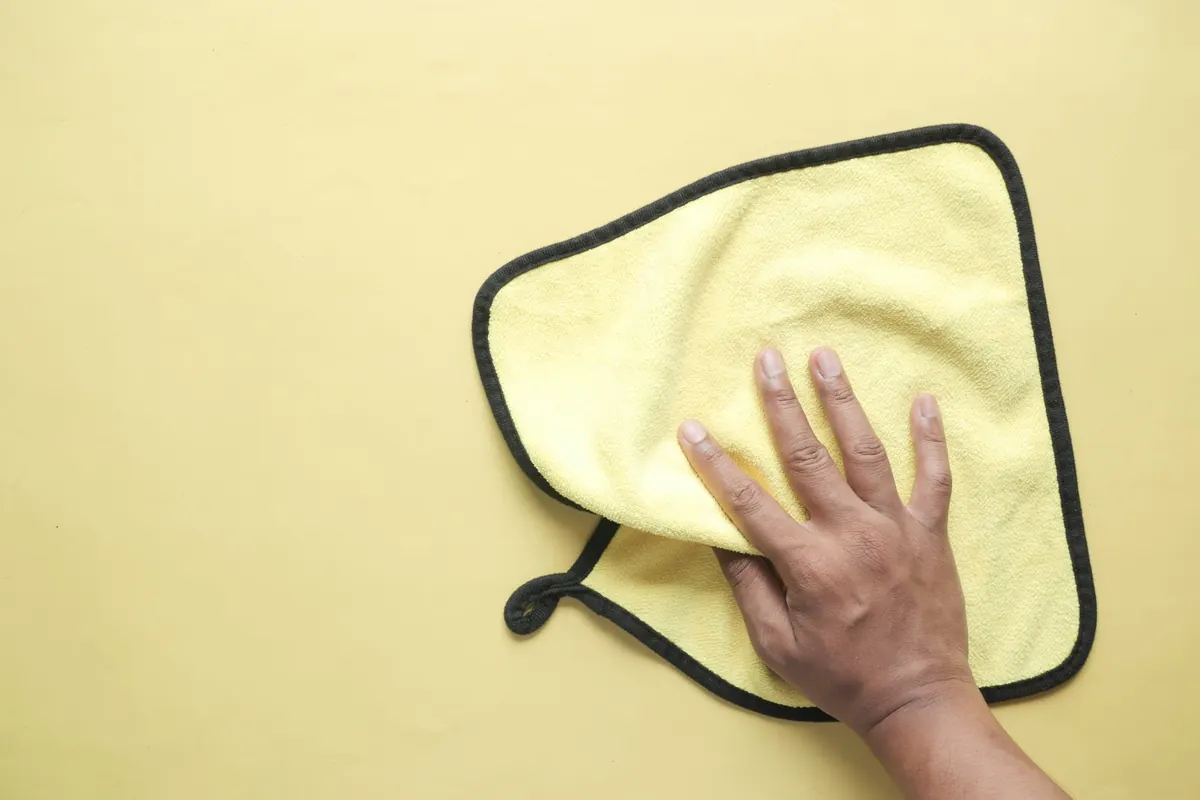
Quartz rates around 7 on the Mohs scale, which is durable enough for everyday but not invincible. It scratches against diamond, sapphire and even other quartz, so store the pieces in a soft pouch or a compartmented tray rather than loose in a bowl. Put jewelry on last, after perfume, lotion and hairspray have dried. Clean with a soft cloth and lukewarm water with a drop of mild soap, then pat dry — and skip the ultrasonic cleaner on any stone you're unsure about, particularly dyed or fracture-filled material. If a piece has real sentimental or monetary value, ask the jeweler who sold it before you experiment.
Build It Slowly, Then Stop Shopping
Buy one piece at a time, roughly one per season, and wear each new addition at least three times before buying the next. That pause is what keeps a capsule from quietly turning back into a collection. When all five are in place, keep them together — same tray, same drawer — and move the rest of your jewelry somewhere less convenient. The pieces you can see are the pieces you wear, and by the time the first cold morning arrives, the transition will already be done.
Photo: kittanon_Thailand / Pixabay