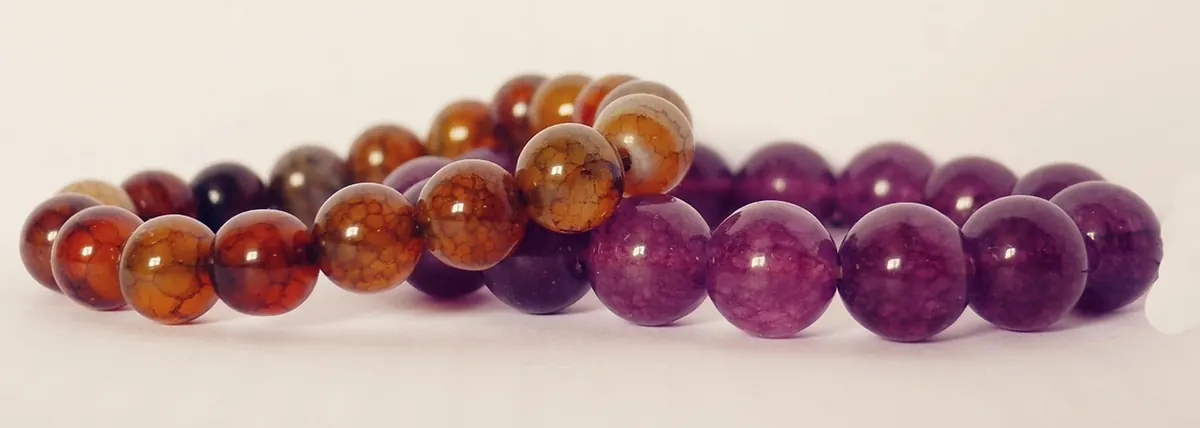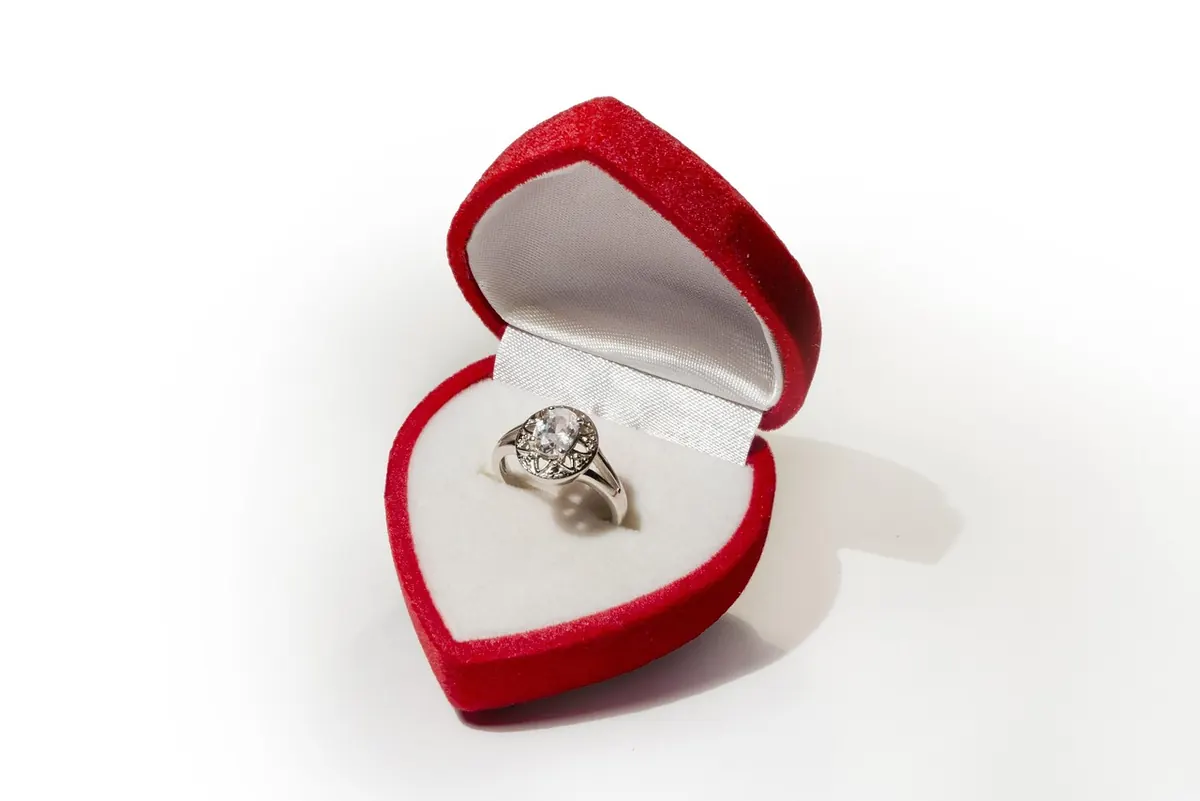


Quartz jewelry has a reputation for being easygoing. It is hard, bright, and happy to be worn often. But a bracelet that lives near a sea breeze, a ring that spends summers in a bathroom cabinet, or a pendant stored in a damp drawer can still lose its sparkle—not because the quartz is failing, but because the metal, cord, coating, or backing around it is quietly reacting to moisture. The fix is not a complicated ritual. It is a short seasonal checklist, done with enough care that it becomes second nature.
What Humidity Actually Does to Quartz Jewelry
Quartz itself is a durable mineral, and a well-cut piece will not soak up water the way a pearl or an opal might. That is good news. The trouble is that a finished piece of jewelry is rarely just quartz. It may include sterling silver, gold plating, brass, elastic cord, glued settings, foil-backed stones, or a surface coating that gives the stone its color or shine. Moisture finds those materials first.
In humid climates, the air holds water that condenses on metal and settles into crevices. Coastal air adds salt, which leaves a fine film and speeds up tarnish on silver and dulling on plated finishes. Elastic cords can weaken over time when they stay damp, and adhesives behind a foil-backed stone can soften or cloud. Even a piece that looks dry on the surface may have moisture trapped under a setting or inside a closed jewelry box.
Where moisture likes to hide
- Bathroom shelves and vanity drawers, where steam lands every morning.
- Kitchen windowsills near the sink, kettle, or dishwasher.
- Closed jewelry boxes in rooms with little airflow.
- Plastic bags used before the piece is completely dry.
- Travel pouches left in a beach bag, gym bag, or car.
The practical response is simple: keep quartz jewelry out of steamy rooms, dry it before storing it, and give it a little airflow rather than sealing it away wet.
Build a Dry Home for Your Pieces
Storage does most of the work. Choose a bedroom or hallway drawer rather than a bathroom cabinet, and keep the box away from windows that collect condensation. A lined jewelry box with separate compartments is ideal because it prevents pieces from scratching one another; quartz is hard enough to mark softer stones and some metals. If you use pouches, make sure each piece goes in dry.
For humid months, add a small silica gel packet to the jewelry box or storage drawer. These packets are not permanent. In a wet season, check them monthly and replace or recharge them according to the product instructions. Anti-tarnish strips can help with silver pieces, but they are not a substitute for keeping the box dry. Avoid storing jewelry in a sealed plastic bag unless the piece is fully dry and the bag is only for short travel.
A simple storage setup
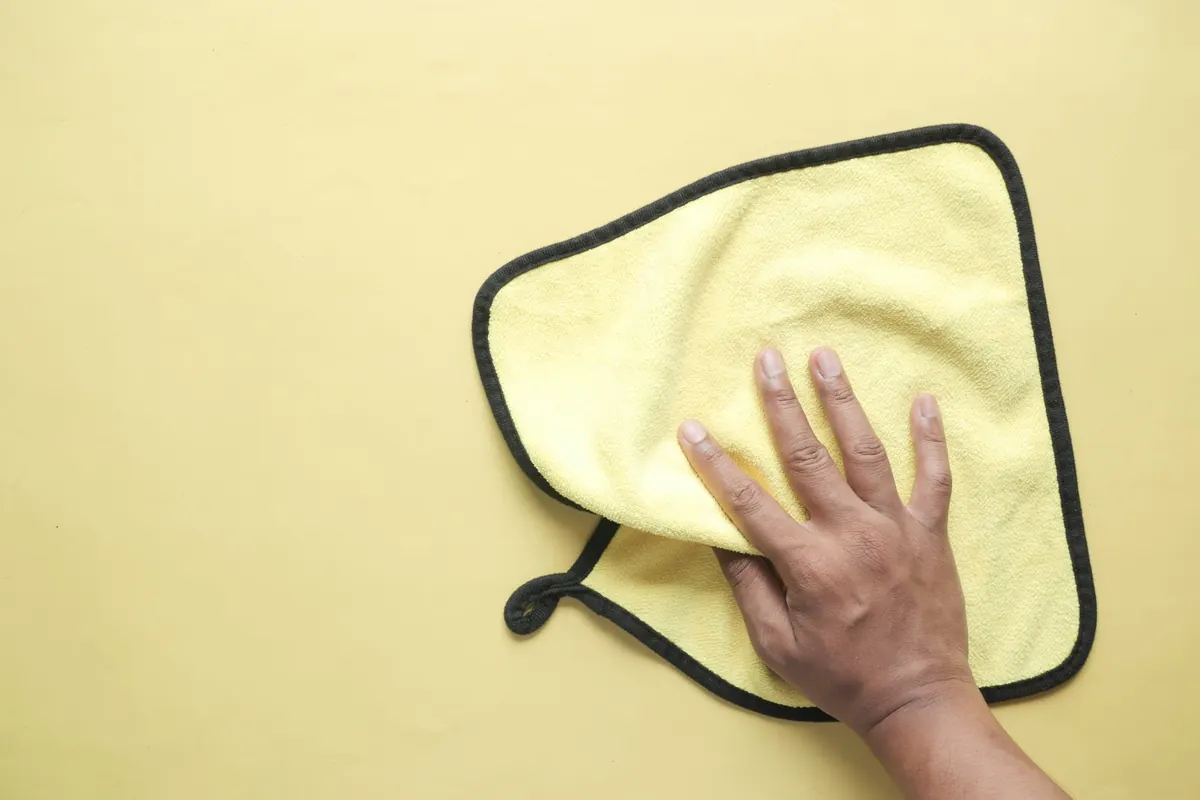
- Wipe the piece with a dry, soft cloth after wearing.
- Place it in a soft pouch or a lined compartment, not loose in a pile.
- Add a silica gel packet to the box and refresh it monthly in humid weather.
- Keep the box in a dry room, away from bathroom steam and kitchen heat.
- Leave a little breathing room; do not compress the box into a damp cupboard.
The Weekly Wipe and Monthly Check
You do not need to deep-clean quartz jewelry every week. A dry wipe is enough for most pieces. Use a soft microfiber cloth or a clean jewelry cloth, and pay attention to the back of the stone, the setting, and the clasp. Perfume, lotion, sunscreen, and skin oils leave a residue that holds moisture and dulls the surface. A quick wipe after wearing keeps that residue from settling.
Once a month, slow down for a minute and inspect each piece. Look for stretched elastic, a loose clasp, a wobbly setting, or a cord that feels stiff. Check plated pieces for worn edges and silver for early tarnish. If a stone is foil-backed or coated, watch for cloudiness near the edges. Catching these small changes early is much easier than repairing them later.
Two habits make a real difference: put jewelry on last, after perfume and lotion have dried, and take it off first when you get home. Remove rings and bracelets before washing dishes, showering, swimming, or cleaning with harsh products.
A Seasonal Checklist for Humid and Coastal Climates
At each change of season, set aside twenty minutes to reset your jewelry storage. The routine is the same each time; only the emphasis shifts.
Spring
Empty the box and wipe every piece with a dry cloth. Check winter-stored elastic cords for stiffness or slack. Refresh silica packets and wash the inside of the jewelry box with a barely damp cloth, then let it dry completely before putting anything back.
Summer
This is the season for sunscreen, sweat, salt air, and sudden rain. Wipe pieces after each wear, and keep a dry pouch in your bag for bracelets and rings that come off at the beach. Do not leave jewelry in a hot car or on a sunny windowsill; heat and humidity together are harder on cords, adhesives, and coatings than either one alone.
Autumn
After summer, inspect plated metal for dull edges and elastic for loss of stretch. Clean away sunscreen residue with a soft, barely damp cloth, then dry immediately. If a cord feels tired, replace it before it breaks. Store summer pieces only after they are completely dry.
Winter
Indoor heating can make the air feel dry, but rainy coastal winters still bring damp drawers and cold windowsills. Keep the jewelry box away from exterior walls and windows. If you travel, use a small case with a silica packet and avoid packing jewelry in a bathroom toiletry bag.
Travel, Beach Days, and Coastal Weekends
Travel is when good storage habits slip. A small pouch and a silica packet take almost no space, and they keep a piece from rolling around in a damp toiletry bag. Do not pack jewelry in a plastic zip bag while it is still warm from wearing; let it cool and dry first. At the beach, take off rings before swimming, especially if they have elastic, glued settings, or plating. Salt water and sand are abrasive, and a lost stone is harder to replace than a few minutes of care.
If a piece gets wet, blot it with a soft cloth and let it air dry in a room with good airflow. Skip the hair dryer, radiator, and direct sun. High heat can weaken cords, soften adhesives, and damage some coatings. A dry towel and a little patience are safer.
Cleaning Quartz Without Trapping Moisture
For most quartz jewelry, lukewarm water with a drop of mild dish soap is enough. Use a soft brush to lift residue from the setting, rinse quickly, and dry immediately with a lint-free cloth. Do not soak elastic or glued pieces, and do not use ultrasonic cleaners on foil-backed, coated, or glued stones unless the maker specifically says it is safe. Avoid bleach, ammonia, and harsh jewelry dips around quartz and plated metal.
When in doubt, use the least invasive method. A dry soft cloth removes most daily film. A barely damp cloth handles sunscreen and lotion. Save the full wash for pieces that are visibly dull and sturdy enough to handle it. Dry the stone, the setting, and the back of the piece before it goes back into the box.
A Five-Minute Habit That Keeps the Shine
Quartz jewelry does not need a cabinet full of products. It needs dry storage, a quick wipe after wearing, a monthly inspection, and a seasonal reset when the weather changes. Keep a soft cloth near where you take off your jewelry, add a silica packet to the box, and pay attention to cords and clasps before they fail. Those small actions take less time than finding a replacement stone—and they keep quartz jewelry bright through humid summers, salty weekends, and rainy winters alike.
Photo: xeppo / Pixabay