
Quartz jewelry is forgiving in most of the ways that matter. It is hard enough for daily wear, it tolerates a splash of water, and a dull, grimy piece usually comes back to life with nothing more than mild soap and a soft brush. But forgiving is not the same as indestructible. The fastest way to cloud a treated stone or wear a thin gold finish down to the base metal is to clean it like a piece of kitchen hardware. Here is the method worth keeping.
Know What You Are Cleaning Before You Wet It
Quartz sits around 7 on the Mohs hardness scale, which means it is harder than glass and most metals but still softer than diamond or corundum. In practice, that means a quartz table can be scratched by the grit that collects in a jewelry box, and it will happily scratch softer neighbors like opal, pearl, turquoise, or amber. Store quartz pieces apart, not loose in a shared tray.
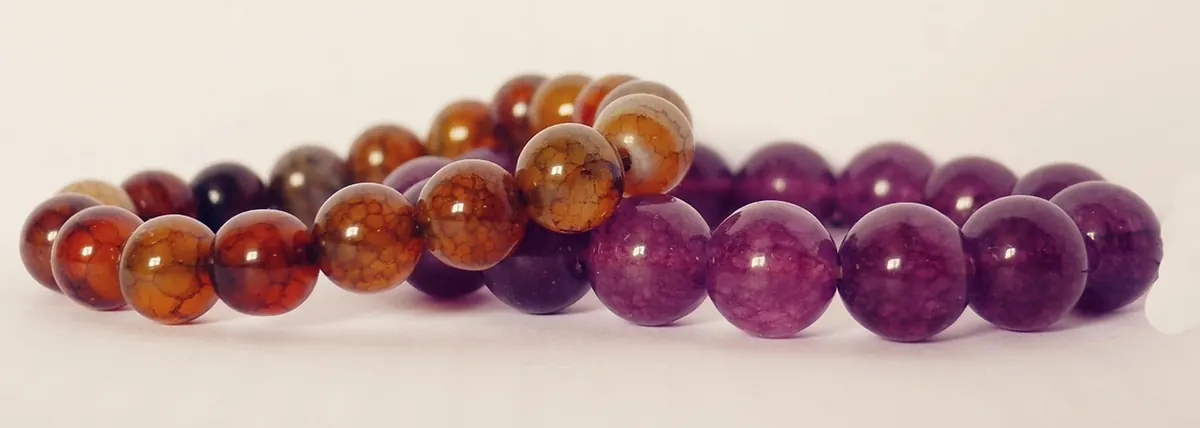
The bigger issue is treatment. Plenty of commercial quartz has been altered: dyed, coated with a thin metallic film to create an iridescent finish, heat-treated, irradiated to deepen color, or fracture-filled to hide surface-reaching cracks. Rose quartz and amethyst can also fade with long, direct sun exposure. Treated stones are the ones that react badly to heat, solvents, and vibration, so if your piece was sold as "aura," "treated," or "enhanced," assume it needs the gentlest version of every method below.
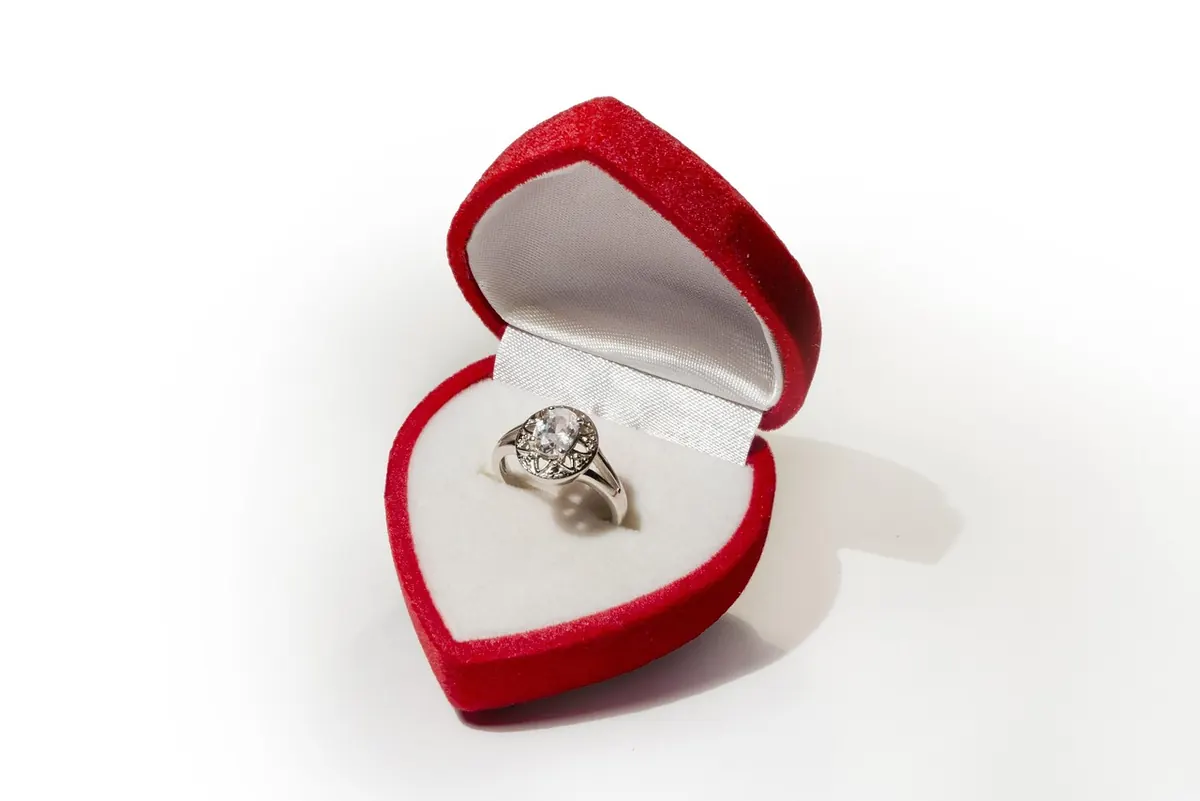
Look at the metal too. Sterling silver and solid gold can take a little more handling than gold vermeil, gold-plated brass, or PVD-coated steel. Anything plated has a thin outer layer that abrasive polishes and repeated scrubbing will eventually thin, especially at the edges of prongs and the underside of the band.
The Standard Cleaning Method That Works on Almost Everything
This is the routine to start with. It handles body oils, hand cream, dust, and the grey film that builds up under a stone.
- Set up over a bowl. Put a small bowl on a towel and work over it. Plug the sink drain first if you're anywhere near one. A dropped stone is the most common cleaning accident there is, and a bowl catches it.
- Use lukewarm water, not hot. Add one or two drops of mild, unscented dish soap. Hand soap with moisturizers leaves its own residue, and citrus or "antibacterial" formulas are harsher than they need to be.
- Soak for five to ten minutes. Skip or shorten the soak if the stone is coated, dyed, fracture-filled, or glued into a closed-back setting. Surface cleaning is enough for those pieces.
- Brush gently with a soft baby toothbrush. Work in small circles across the stone's face, then get under the stone where the gallery meets the setting — that is where the visible grey ring of grime lives. Brush the prongs and the inside of the band too.
- Rinse in clean lukewarm water. A squeeze bottle or a second small bowl of water works better than holding the piece under a running tap.
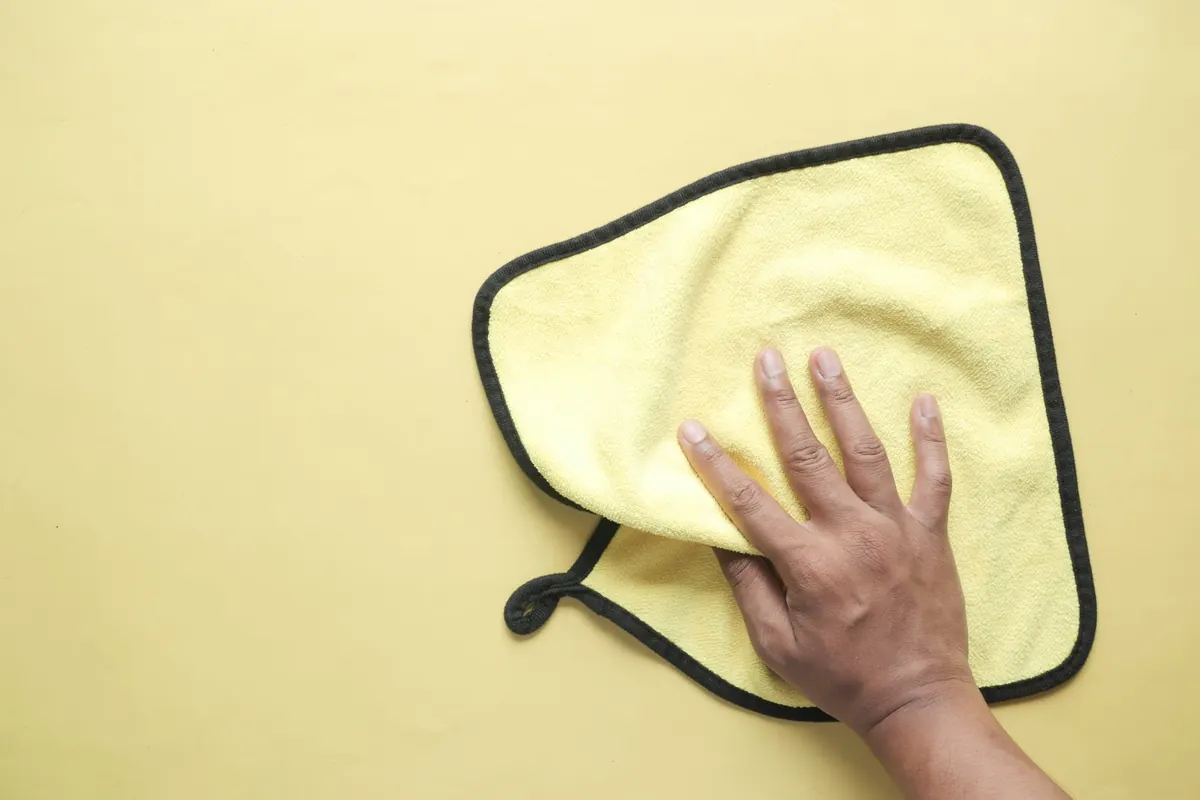
- Pat dry and then wait. Blot with a lint-free cloth, then let the piece sit for fifteen or twenty minutes so moisture under the setting can escape before you wear or store it.
Tarnish, Chains, and Stubborn Grime
When the metal has gone dark
Sterling silver darkens with sulfur in the air; that is normal and it is not dirt. A dry silver polishing cloth used on the metal only is the safest fix. If you use a liquid silver dip, apply it with a cotton swab to the metal rather than dunking the whole piece, and keep it well away from coated or plated surfaces. A dip cannot tell tarnish from plating.
Chains and clasps
Chains collect skin oils in the links and clasps collect lint. Soak them a little longer, brush along the length of the chain with the brush at a low angle, and work the clasp open and closed a few times in the soapy water to flush it out. Rinse and dry thoroughly — trapped moisture in a spring clasp is what turns into a stuck clasp.
Skip the homemade pastes
Baking soda paste, toothpaste, and whitening powders all show up in cleaning advice, and all of them are mildly abrasive. They leave micro-scratches that dull a polished quartz face over time and cut through plated metal. On a stone that is already cloudy, they make the problem worse rather than better.
Cleaners and Tools to Avoid
- Bleach and chlorine. Pool water and bathroom cleaners can pit metal alloys and degrade some stone treatments. Take quartz rings off before swimming or scrubbing a bathroom.
- Ammonia-based glass and jewelry cleaners. Fine for some untreated stones, risky on coated, dyed, or filled quartz.
- Vinegar and lemon juice. Acidic soaks offer little benefit here and can attack plated finishes and settings over time.
- Ultrasonic cleaners. Wonderful for a plain, untreated quartz solitaire in solid gold; a bad idea for treated, fracture-filled, glued, or heavily included stones, which can cloud, chip, or come loose.
- Steam cleaners and boiling water. Sudden temperature change is the classic way to crack a stone or soften the adhesive in a glued setting.
- Hard brushes, scouring pads, and paper towels. Stiff bristles and rough paper scratch metal and plated surfaces. Use a soft brush and a microfiber or lint-free cloth.
- Hair dryers on high heat. Warm air is fine at a distance; hot air is not.
Drying, Wearing, and Storing Habits That Preserve the Finish
Most damage happens between cleanings, not during them. Put jewelry on last: after lotion, perfume, sunscreen, and hairspray have dried, so those products sit on your skin rather than baking onto the stone. Take pieces off before showering, washing dishes, gardening, or lifting weights — a prong bent by a gym bar is a repair bill.
Store each piece in its own soft pouch or compartment. Quartz will scratch softer gemstones, and loose grit in a drawer will slowly dull the polish on everything it touches. For pieces you wear often, a quick wipe with a dry cloth at the end of the day removes most of the film before it sets.
When to Stop and Let a Jeweler Look at It
If a stone feels loose, rocks slightly under your thumb, or makes a faint click when you press it, stop cleaning and set the piece aside. The same goes for a prong that has worn thin, a deep scratch across the face of the stone, or a coating that has started to look patchy. Do not test prongs with a toothpick or tighten them with household pliers; both cause more damage than the original problem. A jeweler can check settings and re-polish metal in minutes, and catching a loose stone early is far cheaper than replacing one.
A Five-Minute Routine You Will Actually Keep
Wipe daily-wear pieces with a dry cloth each evening. Give them the soap-and-soft-brush wash once a week — five minutes, lukewarm water, one drop of soap. Do a slightly deeper clean on chains and clasps once a month, and have settings checked once a year if a piece is worn often. That is enough to keep clear quartz bright, rose quartz soft in tone, and metal finishes intact, without ever needing a harsh product. Simple care, done regularly, is what keeps quartz jewelry looking the way it did the day you bought it.
Photo: Towfiqu barbhuiya / Pexels